
CLIMATE (CHANGED)
LAND
(USED)
The science to help us determine what happens to our water next.
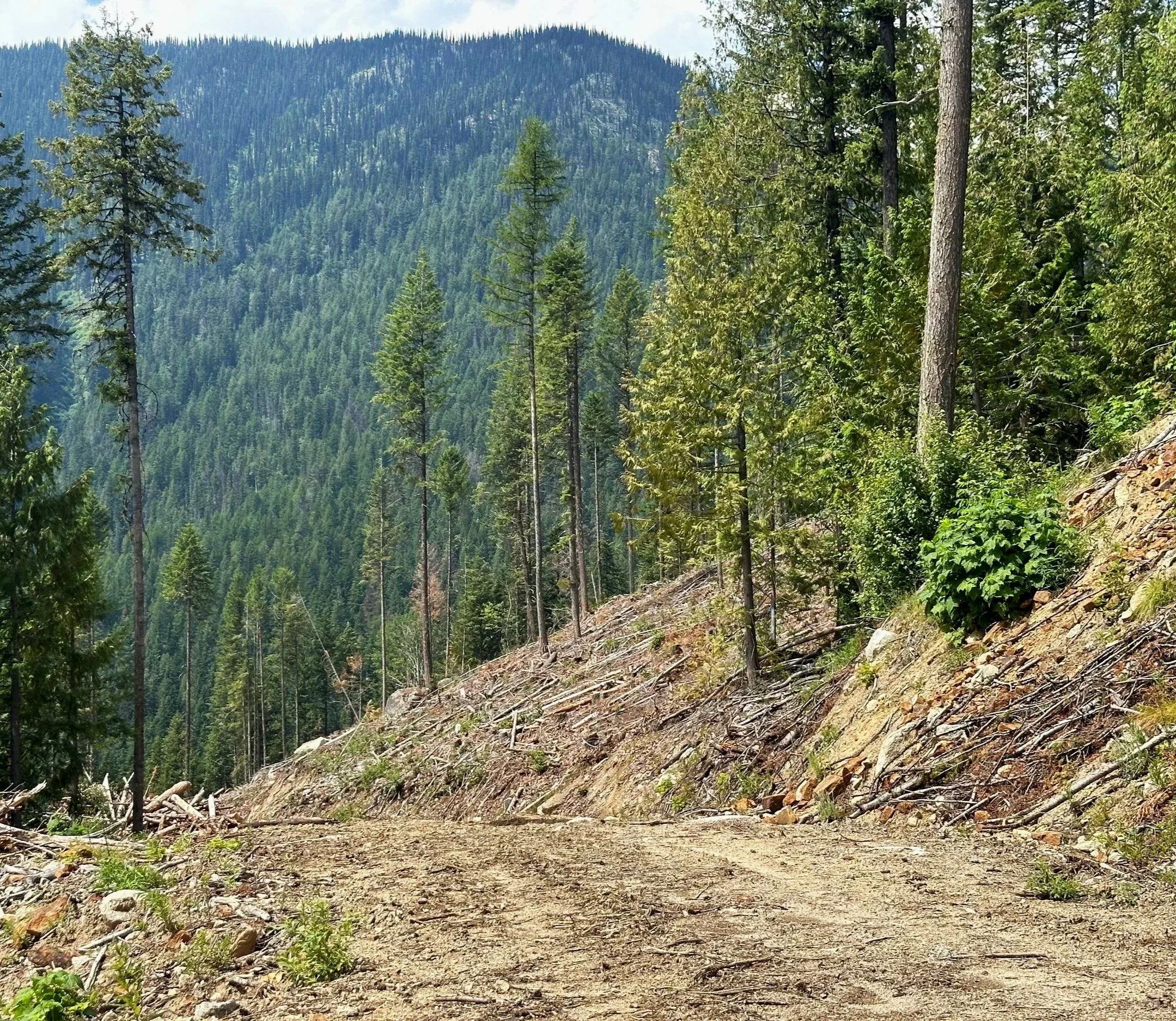
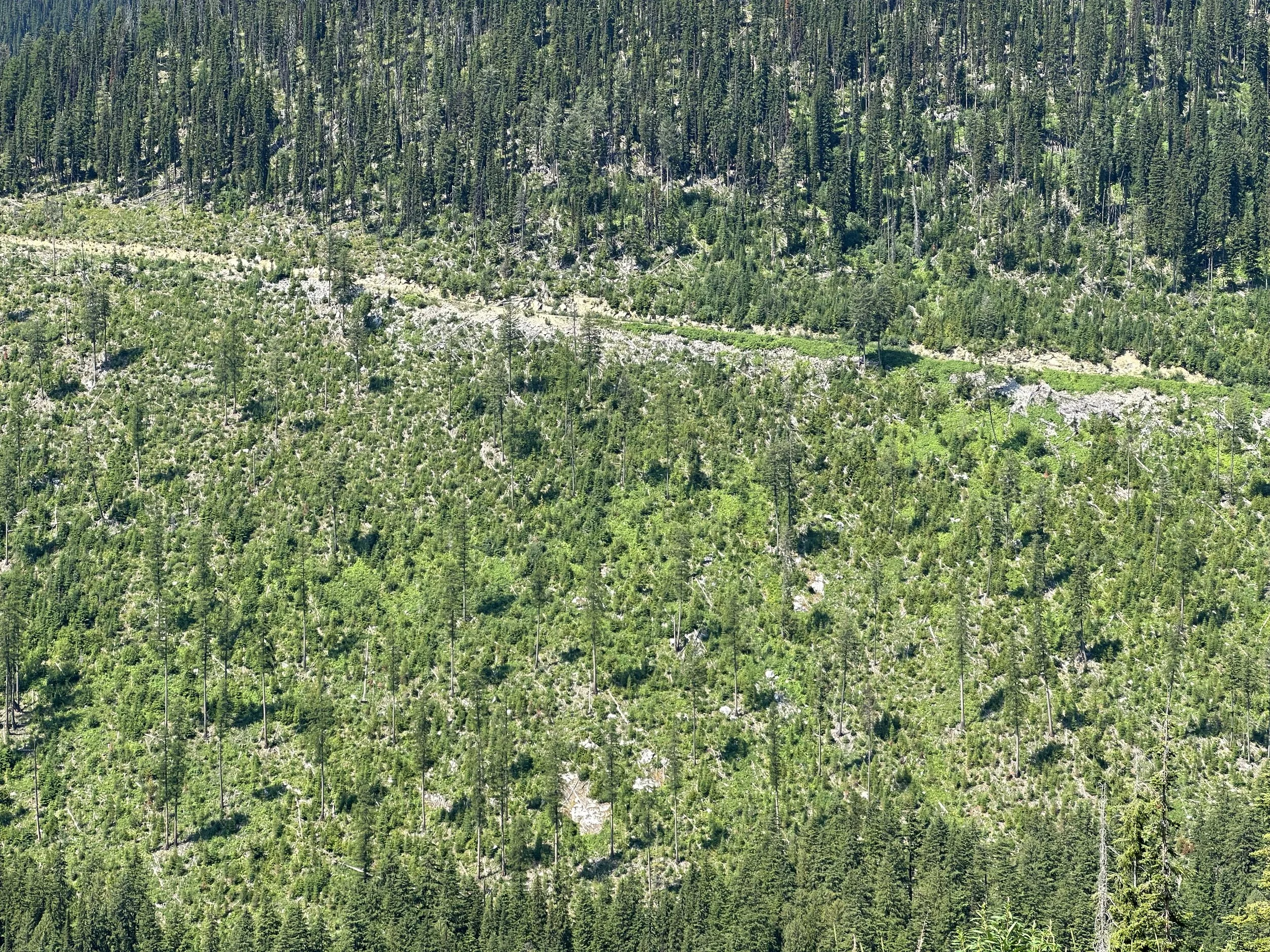
Nearly 40% of the logging planned for the Kootenay Lake Timber Supply Area over the next decade is concentrated in our domestic watersheds.
That number alone should stop you. Here's the part almost no one is talking about: we don't actually know what it means for flooding, for summer water supply, or for the creeks entire communities rely on. No research has quantified whether classic logging actually has an impact on mitigating flood risk for a warming climate, compared to other methods promoted as more sustainable.
That's the gap the West Kootenay Watershed Collaborative is set to close by funding a groundbreaking paired watershed project with Dr. Younes Alila’s Forest Hydrology Research Lab at the University of British Columbia.
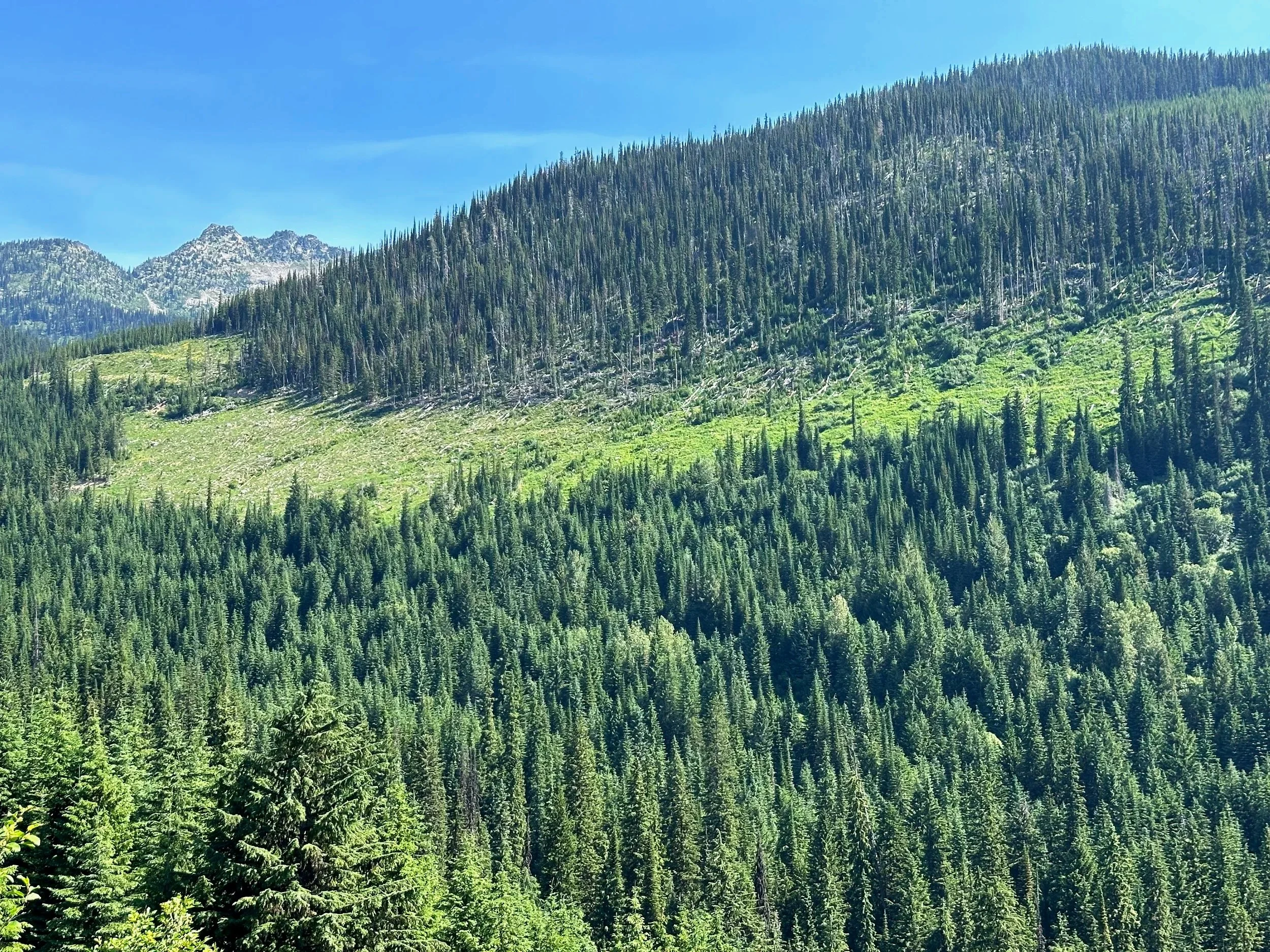
Logging changes how fast snow melts by causing it all to melt at once, rather than staggered, resulting in flood-drought cycles. Our warming planet is also contributing to this but from a different angle. What that looks like is warmer winters bringing more rain-on-snow events, which push spring peak flows earlier in the year. That shift leaves less snowpack to feed creeks in the summer, so summer flows run low – and the whole system becomes prone to sudden, extreme swings that are harder to predict.
Two forces, colliding, unmeasured.
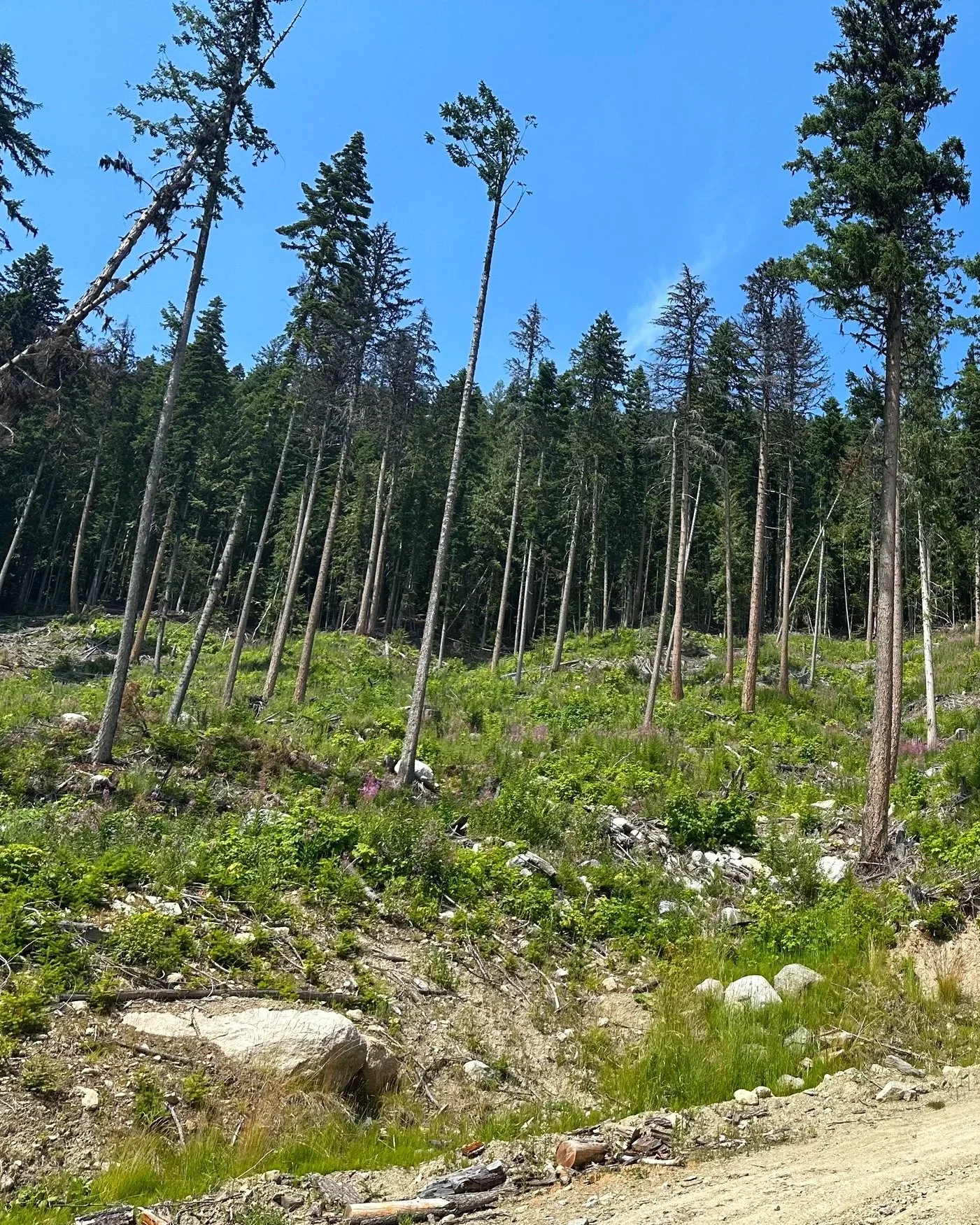
Understanding the forces at play
Individually, logging and climate change are well documented.
In B.C.'s interior forests. Harvesting just 21% of a basin has been shown to increase peak flood flows by 38–84% (Johnson & Alila, 2023). Climate models point to similarly steep shifts — the snowpack was down 20–40% by mid-century, flood peaks are up as much as 50% under higher-emissions scenarios, and summer low flows are down by more than half.
What's never been measured are the cumulative effects of both these factors impacting a watershed at the same time. And no one has tested whether the more ecological logging methods — such as the variable retention approach B.C. is increasingly promoting as the responsible alternative to clear-cutting — actually hold up once climate change is added to the picture.
That is not a small oversight. This is the single biggest blind spot in how flood risk gets managed and assessed in B.C.'s forests today.
Why Laird Creek?
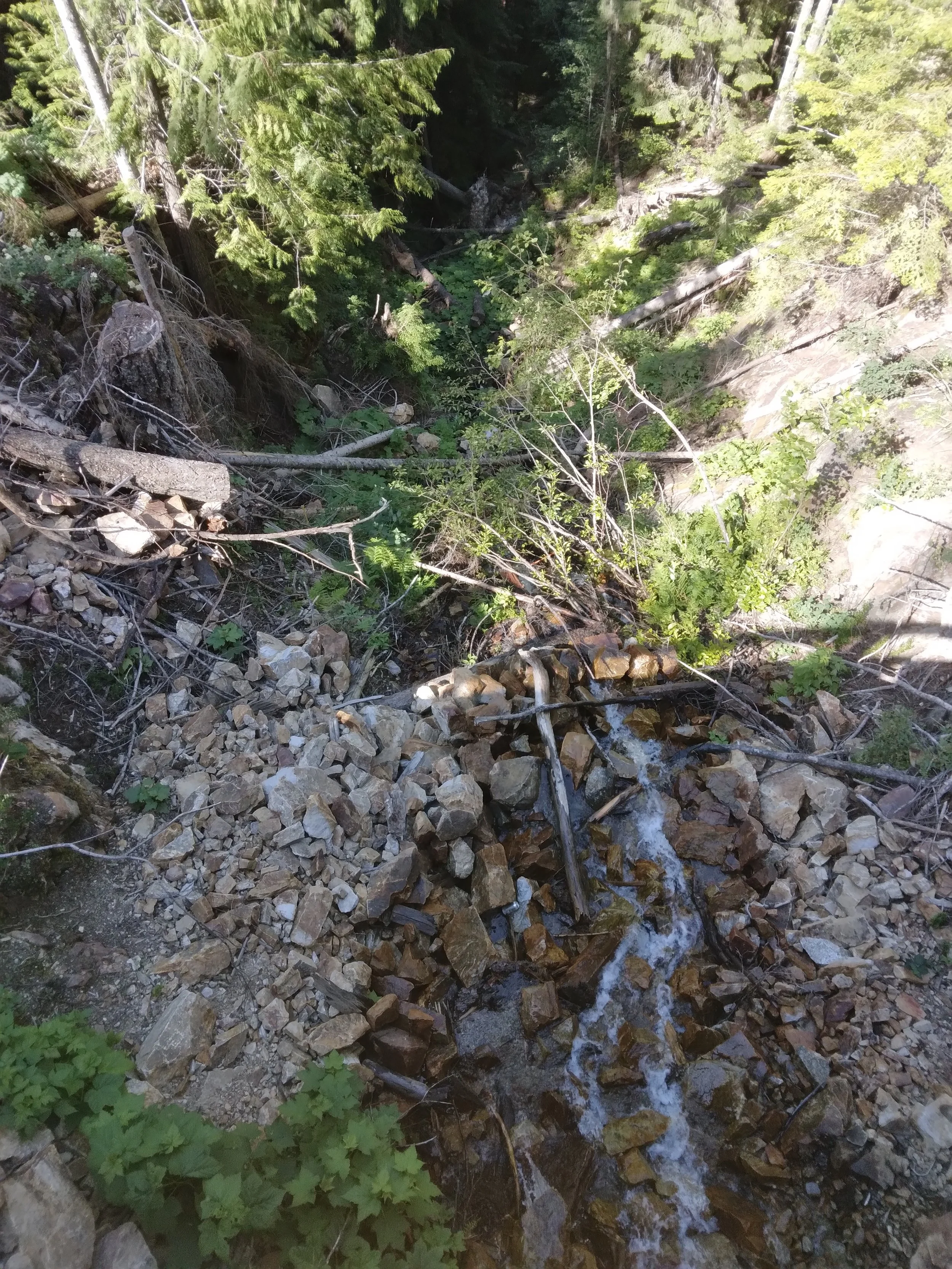
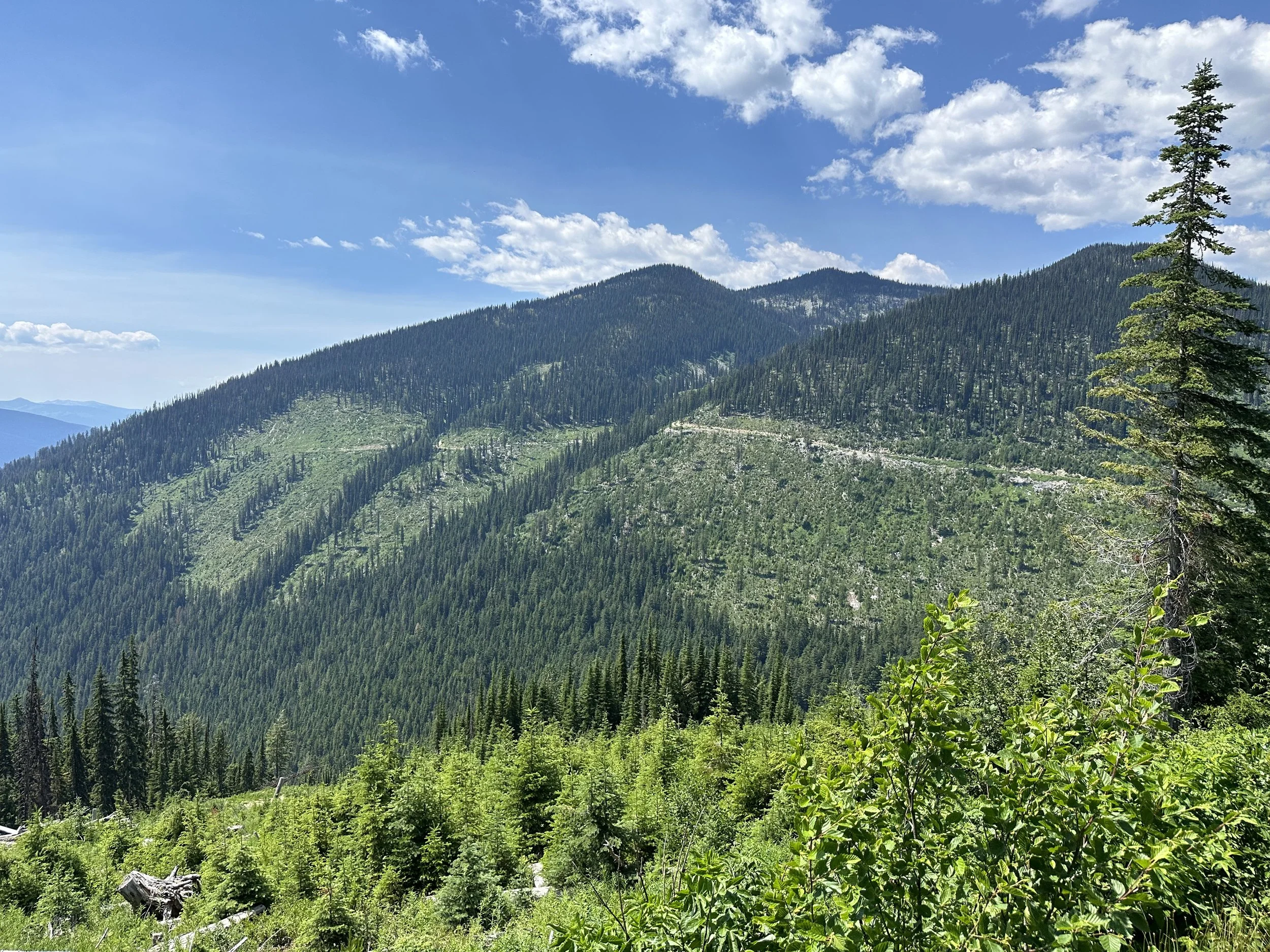
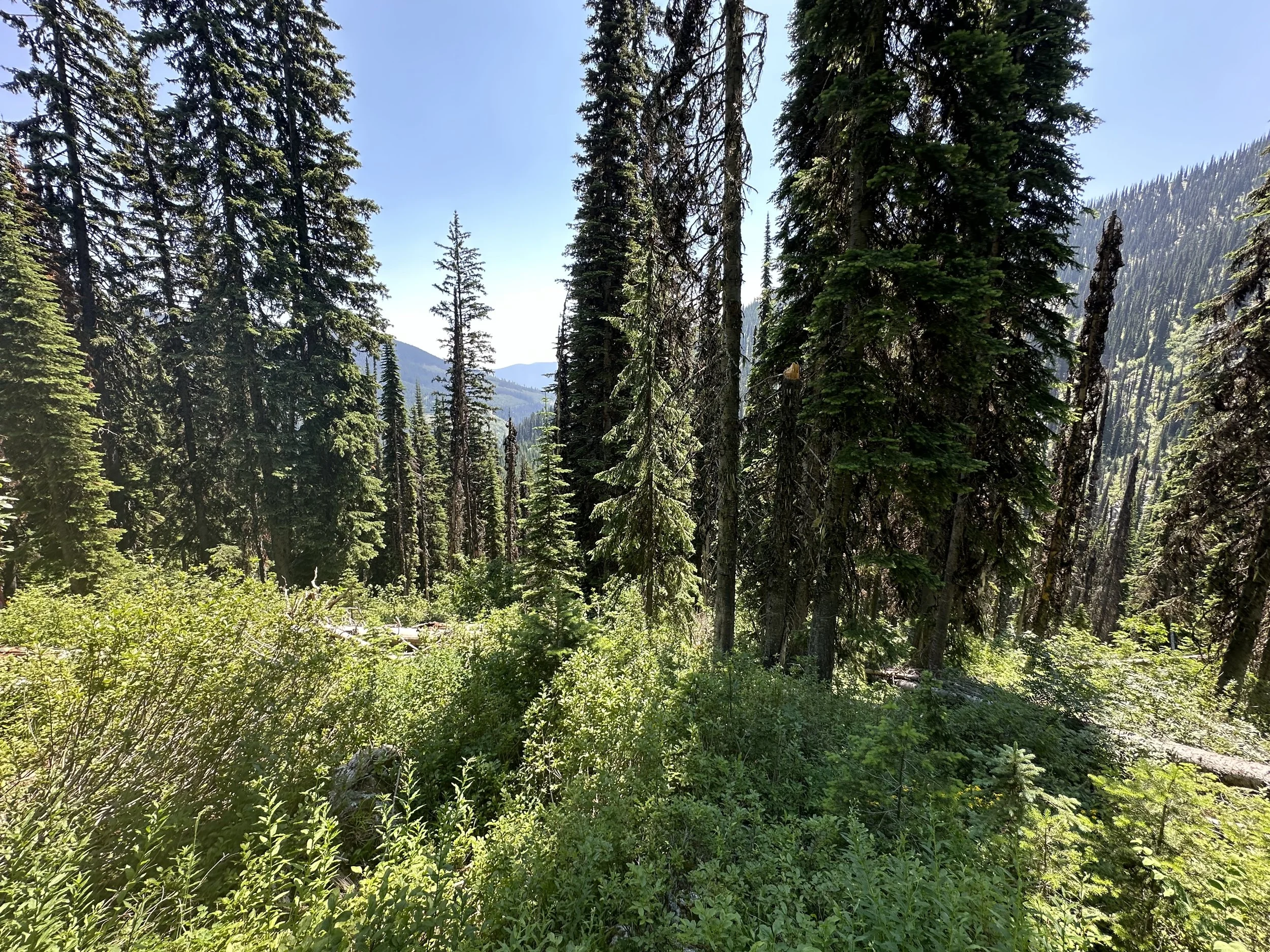
Just west of Kootenay Lake is the Laird Creek Watershed, an 18km² mountain basin. It is uniquely representative of B.C.'s interior forests due to its snowmelt-fed alpine terrain, rain-on-snow-prone slopes, and steep gullied terrain.
It's also one of the only watersheds in the province where variety variable-retention logging has actually been done and tracked, so our researchers are not just running hypotheticals.
In 2022, an independent assessment by the West Kootenay Eco Society flagged Laird Creek as one of the region's most hydrologically sensitive basins in the West Kootenay. In partnership with the Ktunaxa Nation and local communities, they called for logging to pause until the kind of rigorous, long-term modelling this project delivers could be done.
This research will uncover the answers to protect fragile basins like Laird Creek, and many others in the region and beyond.
What our research looks like
Dr. Younes Alila and his UBC Forest Hydrology Lab are building a highly detailed digital model of Laird Creek that simulates, hour by hour, how snow, rain, soil, and forest cover interact across the entire watershed.
This can be thought of as a virtual watershed the team can experiment on — running logging and climate scenarios that would take decades to observe in real life, and getting answers in months instead.
This type of research has never been done within a B.C. watershed. This project will be the first.
This is what that lets them do:
Rebuild 30+ years of real weather and streamflow data into a model precise enough to trust.
Generate a thousand-year record of plausible weather to better understand and predict rare and extreme floods, statistically stretched from decades of real observations.
Layer in future climate projections, from the latest international climate model ensemble, under both moderate and high-emissions futures, to see how flood risk shifts through the 2030s, 2050s, and 2080s.
Test different logging scenarios under current and future climate projections considering every logging scenario that matters
By modelling forest change and climate change separately, then together, we can answer:
How much future flood risk comes from logging?
How much comes from a warming climate?
Do the two factors compound each other?
Why it matters beyond the creek
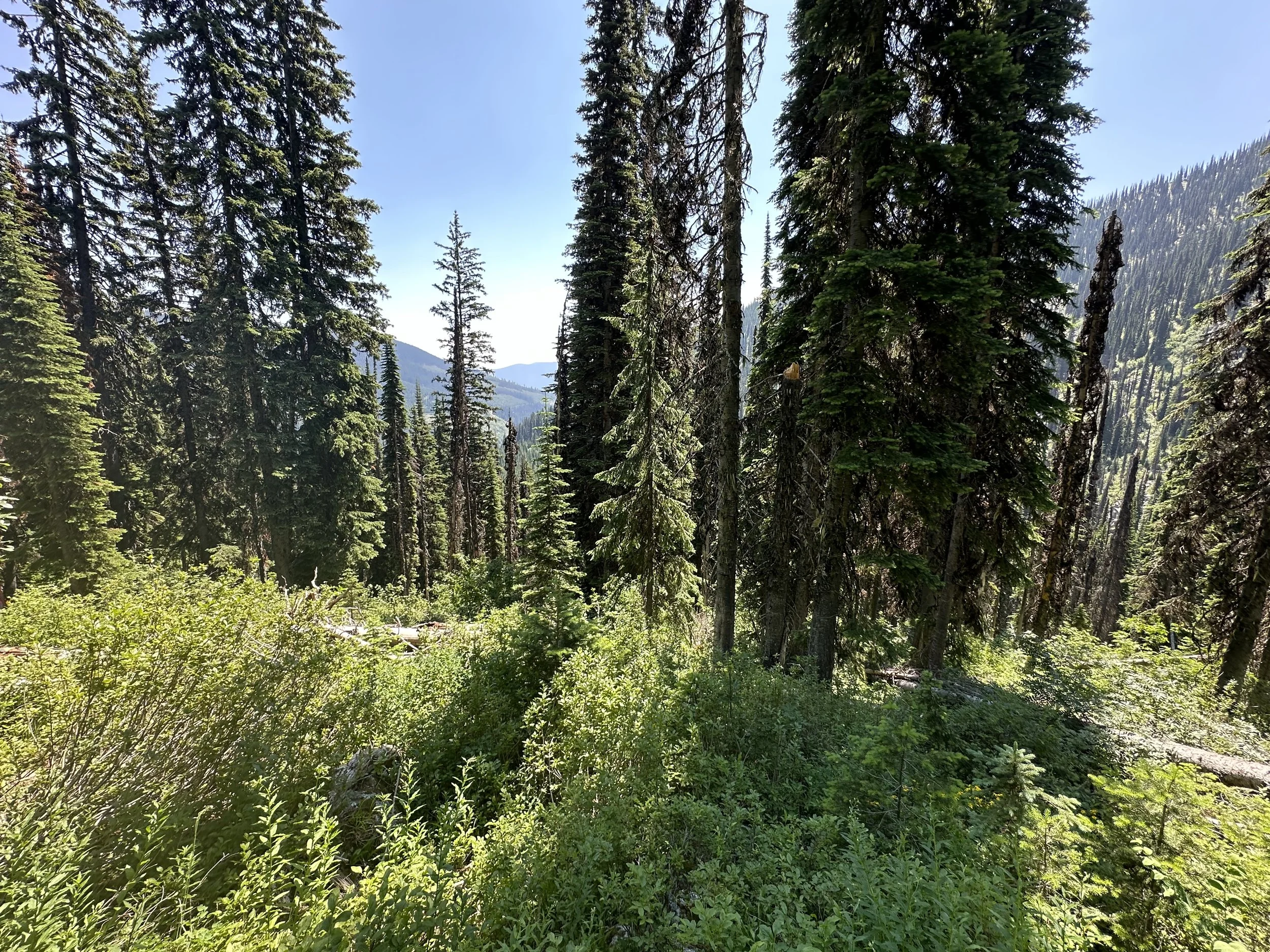
This data won't stay in an academic paper. It will be used by forest managers writing forest stewardship plans, by communities trying to understand their flood risk, by the Ktunaxa and Sinixt Nations whose knowledge and territory this work touches, and by every downstream water user who's never had a say in decisions being made on outdated science.
This research is a template — a way to test forestry decisions before they're made, not learn from them after a flood.
This research provides an essential knowledge base to support forestry and land management decisions that won’t leave communities in the West Kootenays without the water we need to sustain all life.
This is where you come in
Research like this needs funding for fieldwork, data processing, and the people working to transform 1,000 years of simulated weather into critical information scientists, policy-makers and communities can actually use.
Fund the science
Every donation helps cover the real costs of this research and allows us to champion evidence-based forestry decisions in our watersheds, instead of ones made from outdated science. Every month we wait is another month where unreliable information determines the well-being of watersheds that provide for families, businesses, farmers and all life in the West Kootenays.
Sitting this one out isn’t neutral. It means that guesswork keeps deciding for us. Your support is what lets evidence replace it before the next cut block is approved, not after.
There is a place for everyone in this work
Not everyone can support our work through donations: we also appreciate your interest, time and skills. If you're interested in community science, watershed education, or simply want to understand what's at stake with our watersheds, the West Kootenay Watershed Collaborative is a good fit for you.
Come out to our events to stay informed with what’s happening within our watersheds and learn more about our work. Become a member, volunteer, or even join our board. And if you just want to understand watershed research better, we want to connect with you.
Join our Newsletter
Get research, stories, events, and opportunities in your inbox.