OUR WATER. OUR FUTURE.
The future will be shaped by the decisions we make about water today.
We are the West Kootenay Watershed Collaborative.
We bring together residents, researchers, First Nations, stewardship groups and decision-makers to understand what is changing in our watersheds — and help shape what happens next.
We are cultivating a community-driven network of watershed stewards, empowered by sustainable government policies, to strengthen ecosystem resilience and ensure the long-term protection and responsible management of the West Kootenay’s water resources.
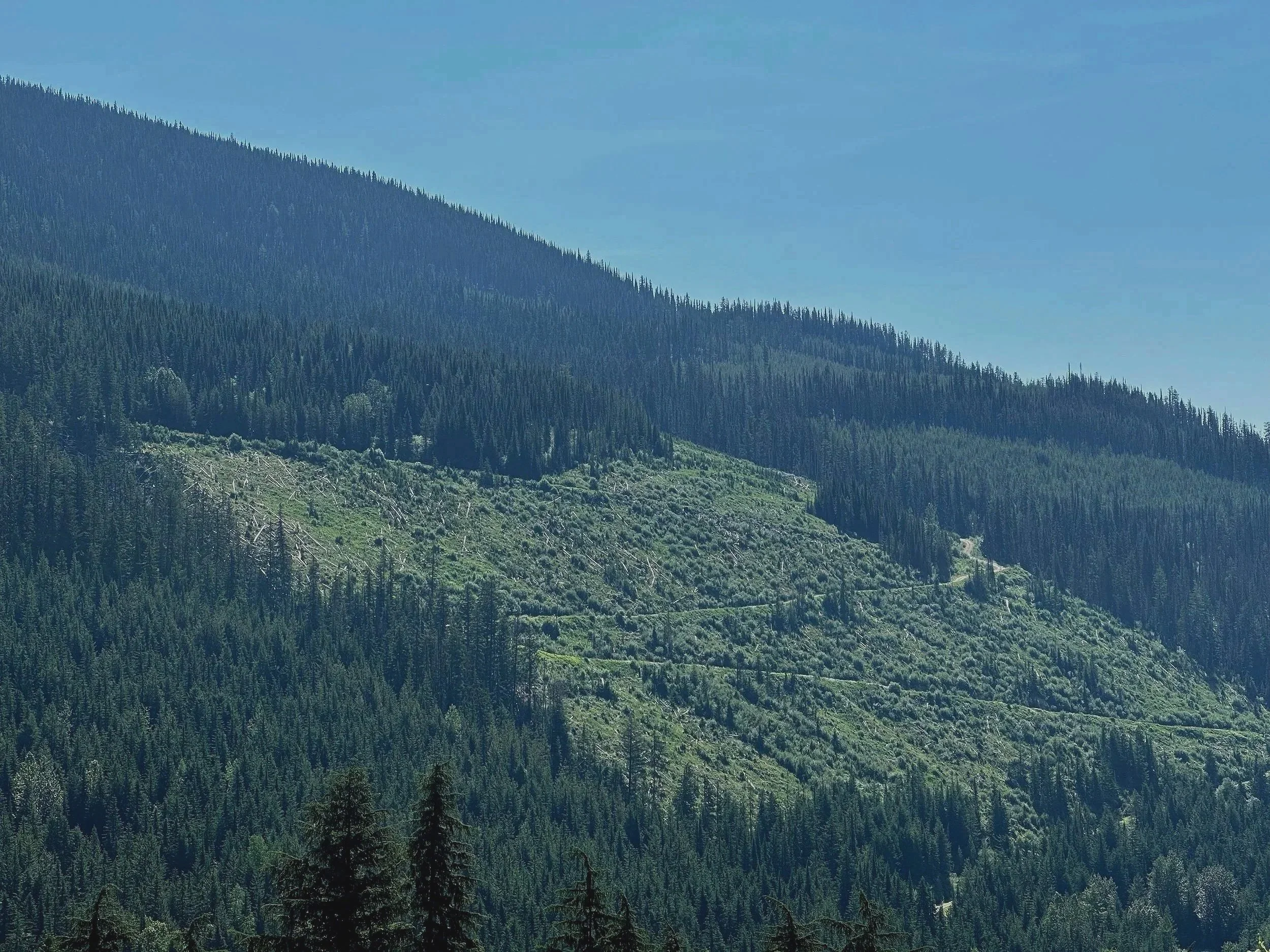
CLIMATE(CHANGED) LAND(USED)
It’s time to understand what that means for our water.
Nearly
40%
of the logging planned for the Kootenay Lake Timber Supply Area over the next decade is concentrated in our domestic watersheds
With support from WKWC, Dr. Younes Alila and his UBC Forest Hydrology team are building research models in Laird and Redfish Creeks for the scientific community and water users to understand what climate change means for the water we depend on — before more decisions get made on outdated models.
Source: BC Ministry of Forests, Kootenay Lake TSA Timber Supply Analysis Discussion Paper, May 2023
In Laird and Redfish Creeks, Dr. Younes Alila and his UBC forest hydrology team are building research models for the scientific community and water users to understand what climate change means for the water we depend on — before more decisions get made on outdated models.
Your support funds the science that can change how those decisions are made.
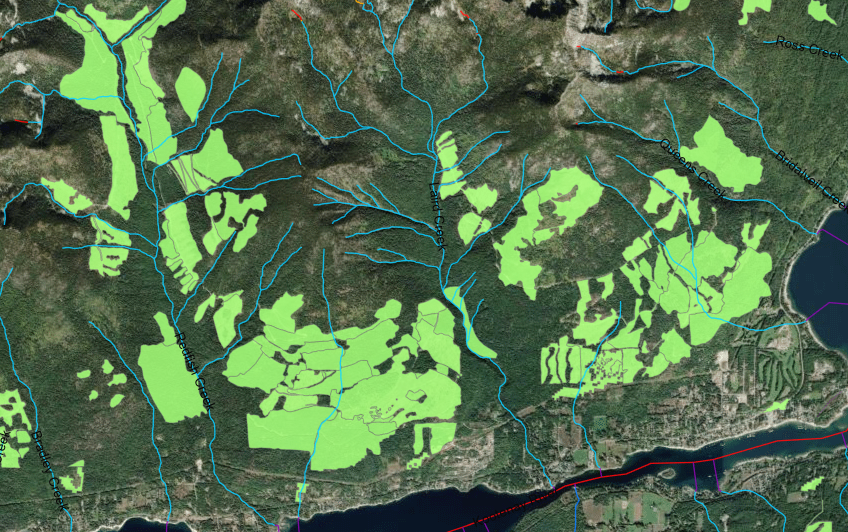
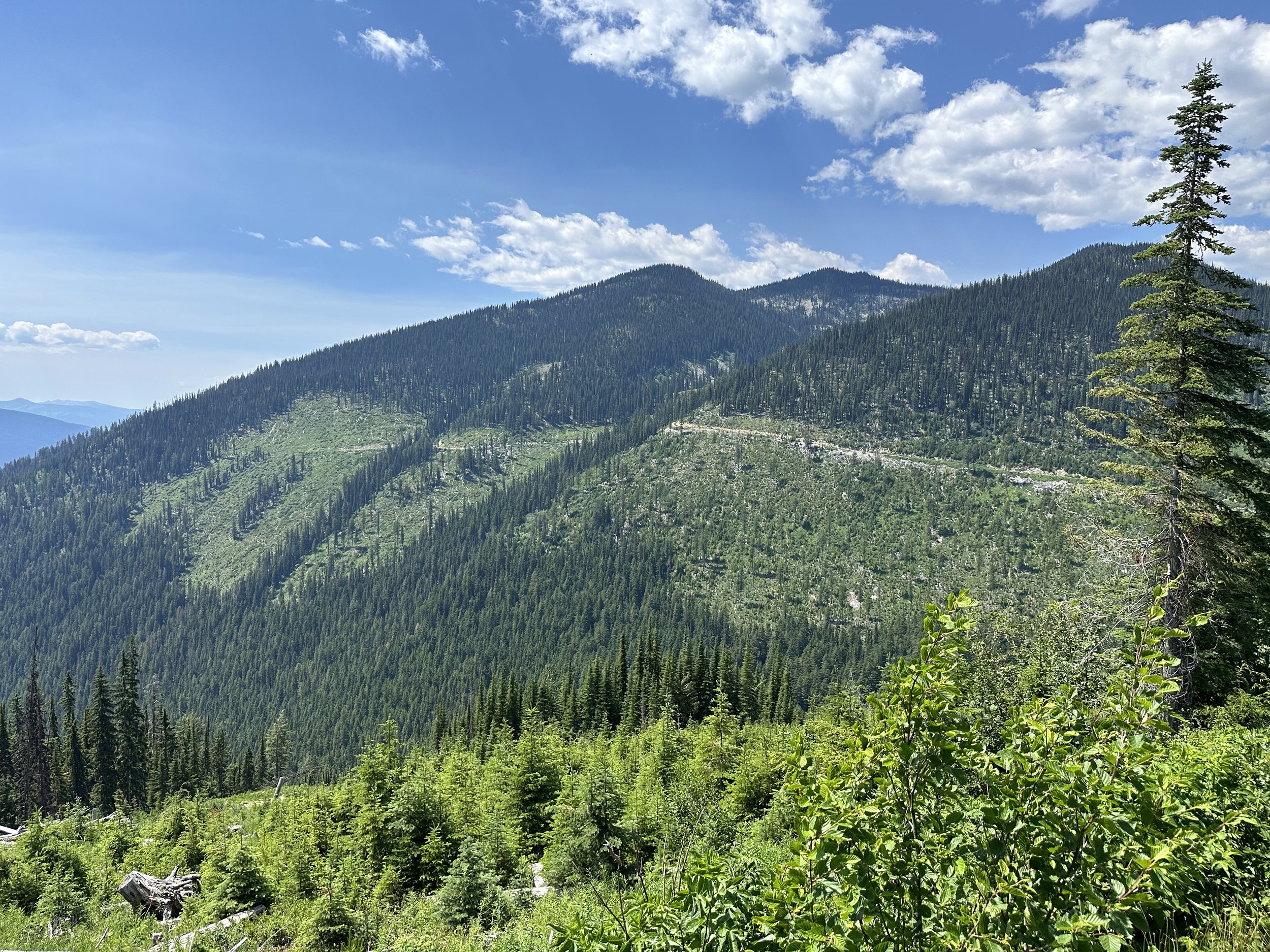
Historical logging in Laird and Redfish Creeks
Meet Our Lead Researcher
Dr. Younes Alila
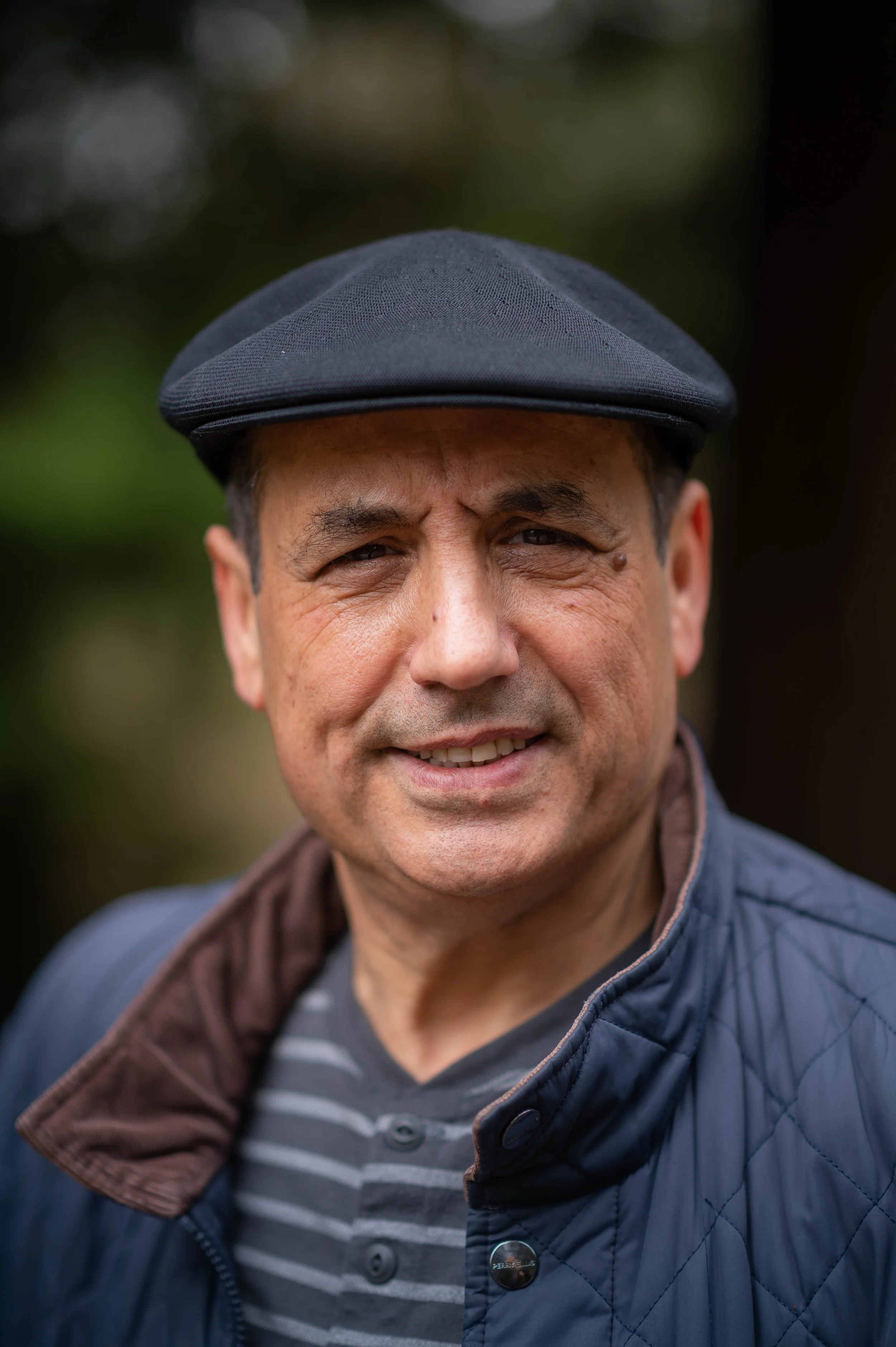
Dr. Younes Alila has spent nearly 30 years as a UBC Professor of Forest Hydrology. His research has been cited almost 4,000 times and covered by CBC, The Tyee, The Narwhal and The Guardian.
His work has shown that the modelling B.C’s forestry regulators currently rely on can underestimate flood risk by up to 18 times. He currently serves as an expert witness in several lawsuits, where residents are suing the province and logging companies for flood damage caused by exactly this outdated science.
Together with the WKWC, his team is now applying this approach to Laird and Redfish Creeks — science that has never been done in these watersheds before.
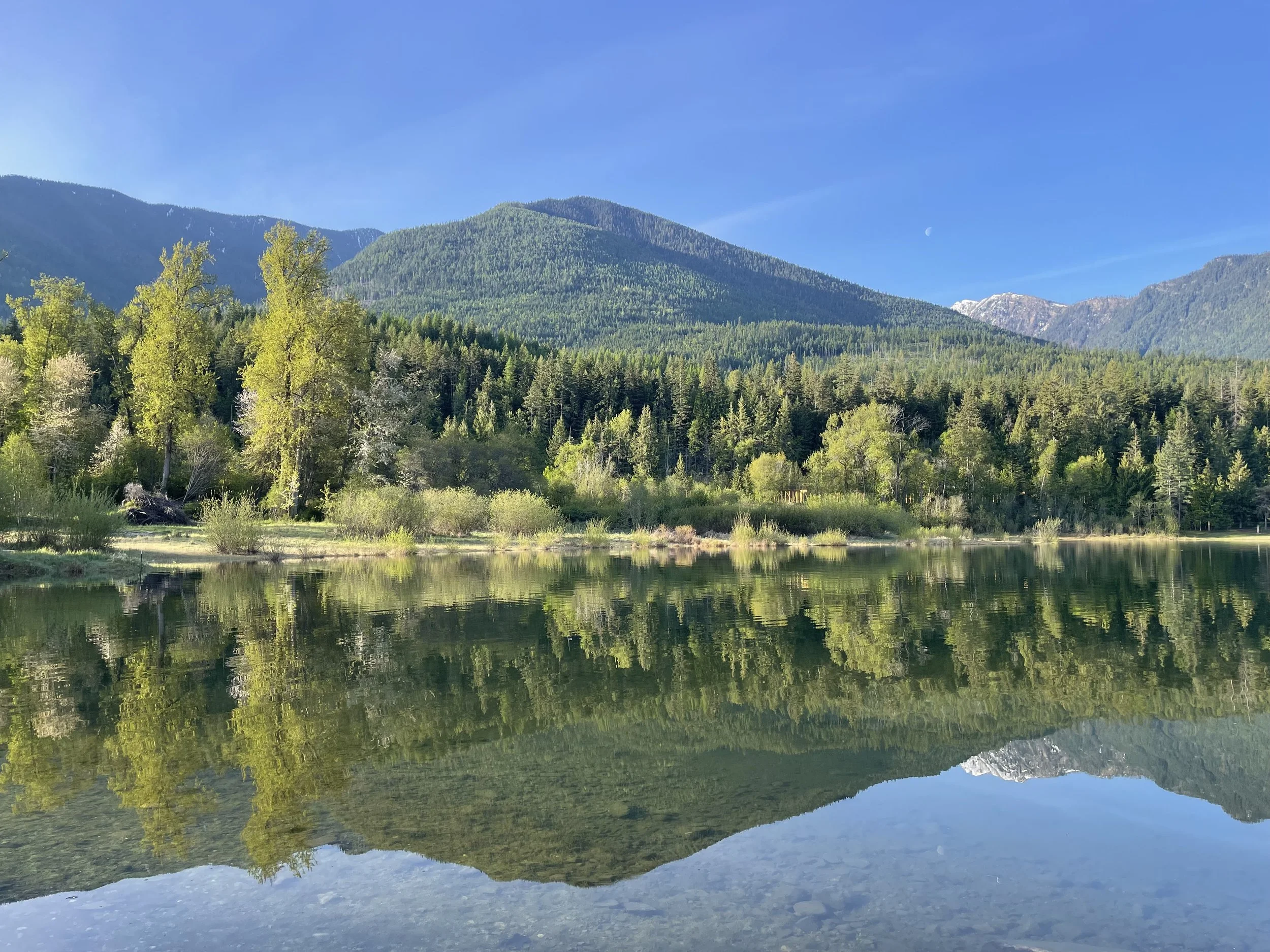
Water Connects Us All.
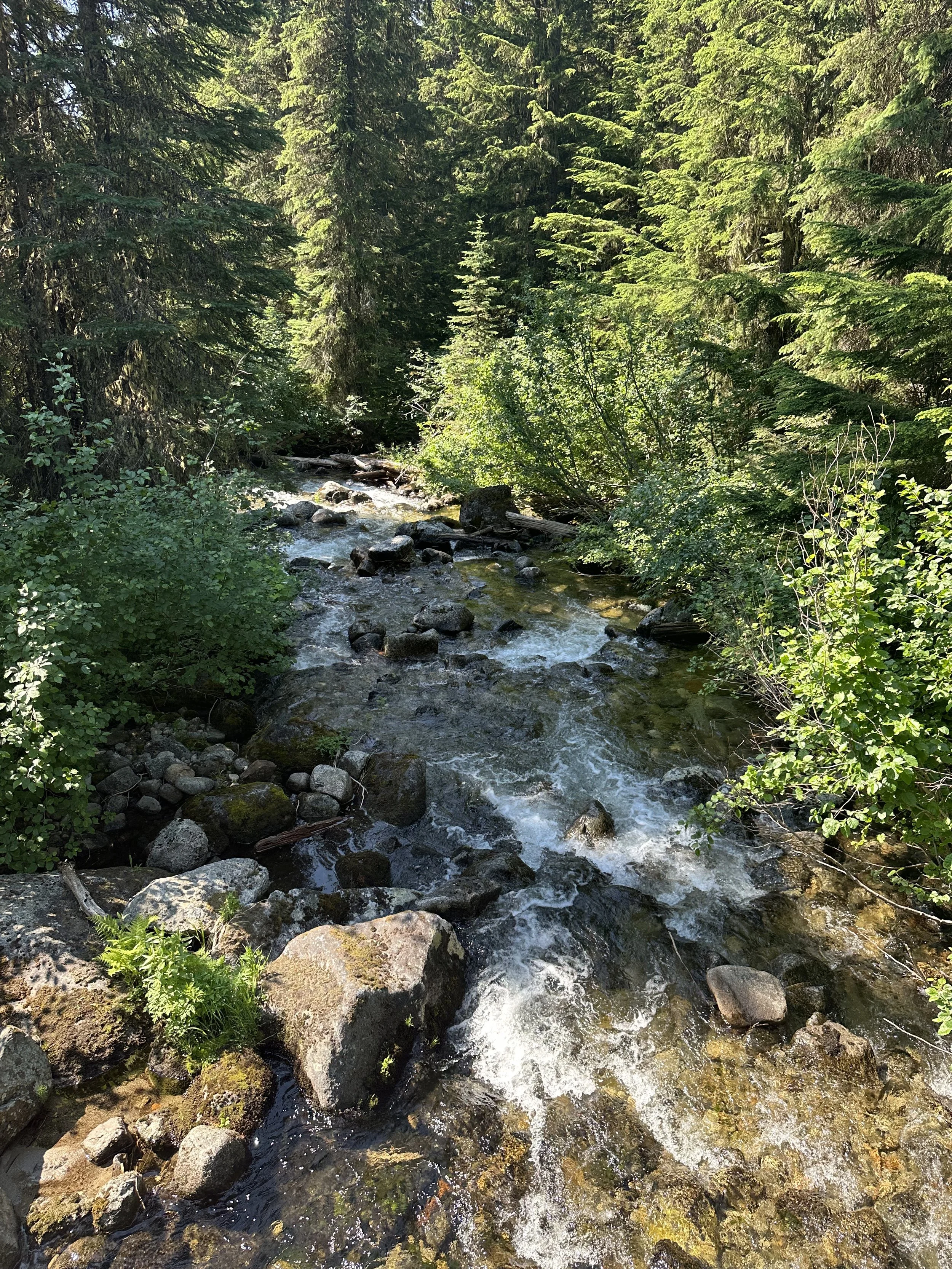
What happens upstream does not stay upstream. The creeks above our communities feed homes, farms, businesses, fish, and wildlife. They flow into the Kootenay Lake and onward into the Columbia River System. Water connects the landscape. The way we understand and connect to it must be protected too.
What WKWC Does
Direct Action
—Ways to Give
There is a place for you in this work.
SUPPORT THE WORK
Help fund research, community outreach and the coordination needed to move watershed work forward.
WKWC is not yet a registered charity, so gifts are not currently tax-deductible; every dollar given goes directly to the work.
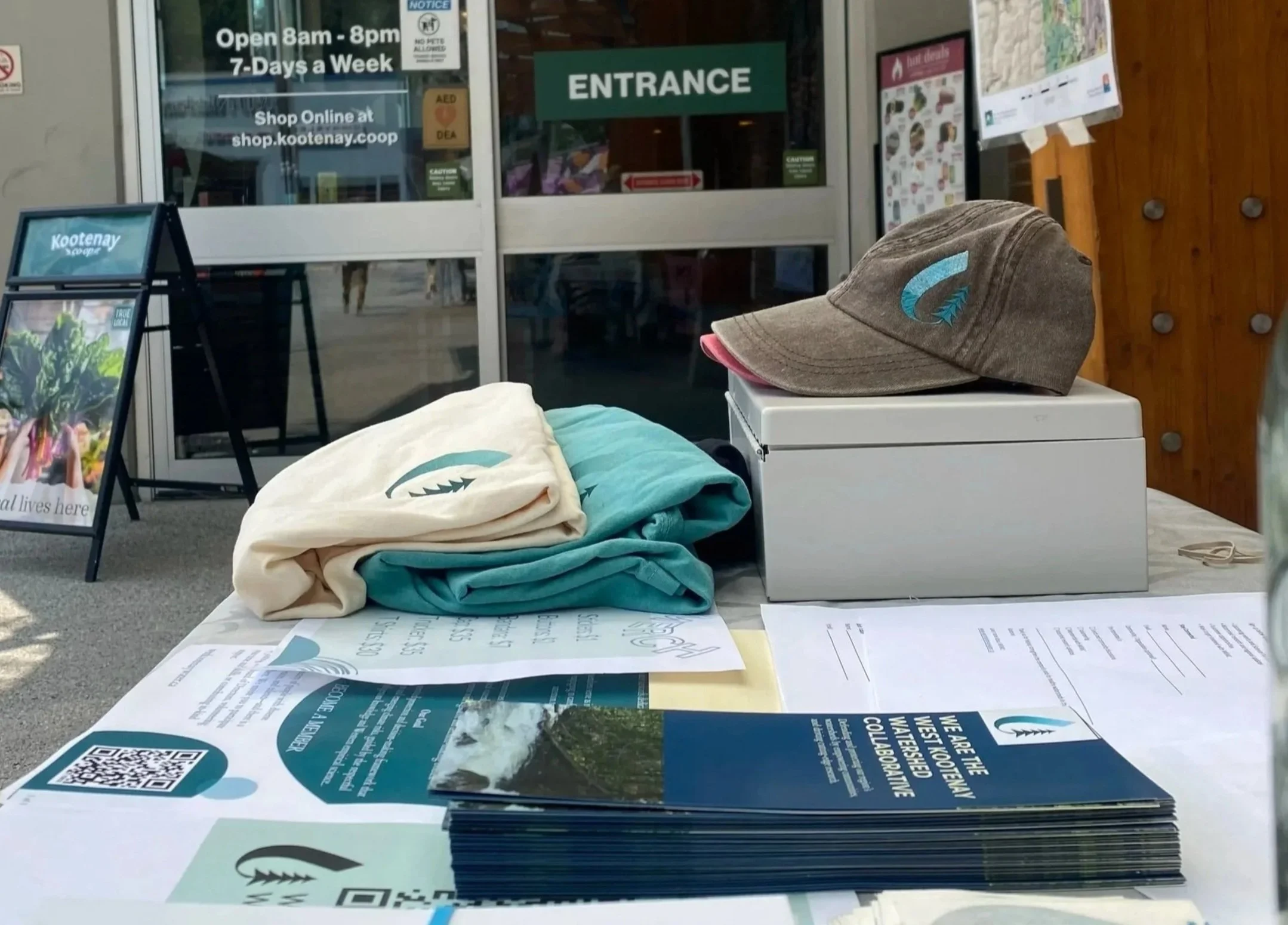
BECOME A MEMBER
Join a growing network of people who care about healthy watersheds and informed community participation.
SHOW UP
Attend an event, workshop or community conversation.
Join our Newsletter
Get research, stories, events, and opportunities in your inbox.
Proof of Momentum
Incorporated
2022
Members & Supporters
83+
Sold-Out Events
7
Active Research Watersheds
2
A community that shows up.
WKWC brings people together to learn, ask questions and take part in the future of water in the West Kootenays. Since 2024, WKWC has hosted six sold-out events at Nelson's Capitol Theatre and the Hume Hotel. Maude Barlow addressed our March 2026 Making Waves World Water Day Symposium. Our work has been covered by CBC News, Castlegar News, Cranbrook Daily Townsman and The Tyee.
PartnersThe West Kootenay Watershed Collaborative works with community organizations, researchers, and funders who share a commitment to protecting watersheds across the West Kootenay region.
We gratefully acknowledge partners supporting the collaborative’s work.
Our funding partners:




Our Community Partners and Colleagues:
Regional Stewardship Organizations and Community Partners
Acknowledgement of the First Nations of the Land
WKWC works on the unceded territories of the sn̓w̓ay̓ck̓stx (Lakes) and Ktunaxa Yaqan Nukiłʔit, Syilx Okanagan, and Secwepmec peoples, and has worked with the Autonomous Sinixt Nation on the Healthy Water Initiative.
The West Kootenay Watershed Collaborative Board of Directors acknowledges that the watersheds and waterways we endeavour to defend are central to the Inheritance of the Regional First Nations. The Kootenay and Columbia Rivers and their watersheds nurture all of the traditional unceded and current territories of the sn̓ʕay̓ckstx (Lakes) and the Ktunaxa Yaqan Nukiy (Lower Kootenay Band) peoples.
We acknowledge interconnected systems of understanding and respect relationships that have existed here since time immemorial. We share dreams for the future. We must work together to understand and preserve relationships that make life so incredible in the Kootenays.
While protecting our shared watersheds, we also seek reconciliation based on reciprocity with regional Indigenous Nations, each other, the land, water and All Our Relations.
Join us as we actualize a commitment to continued education and empowerment. We are learning more about our shared responsibilities and possibilities regarding Truth And Reconciliation, the United Nations Declaration on the Rights of Indigenous Peoples, the B.C. Declaration on the Rights of Indigenous Peoples Act, First Nations principles of Ownership Control Access and Possession, and broad social justice.