
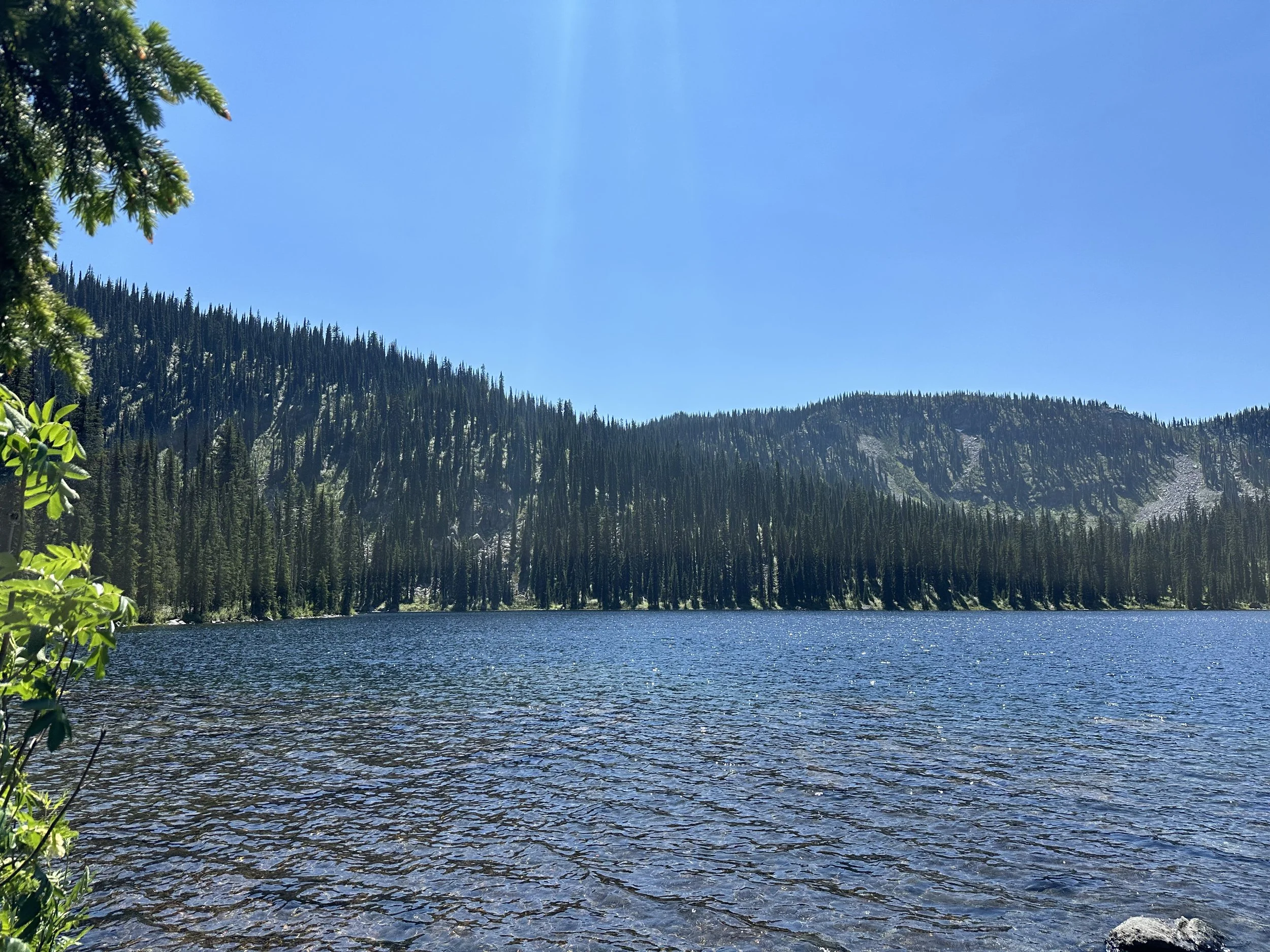
Protecting what matters most….
The West Kootenay Watershed Collaborative brings together residents, researchers, First Nations, stewardship groups and decision-makers to understand what is changing in our watersheds — and help shape what happens next.
We connect science with community through dialogue, shared knowledge, and hands-on stewardship, to protect the water we all depend on.

Every drop of water that sustains our communities begins its journey high in the forests of the West Kootenays. When those forests are threatened, so is everything downstream — our drinking water, our fish and wildlife, our farms, our homes, and our businesses.
The West Kootenay Watershed Collaborative (WKWC) is a collective voice that advocates for resilience and restoration of this landscape. Acting informally between 2018 and 2021, what began as conversations between concerned residents became a formal recognition that fragmented decision-making was threatening the connected waterways that sustain our communities.
WKWC became incorporated in 2022, united by the belief that decisions about our watersheds should be made through nature-directed stewardship. Today, we connect the voices of communities, researchers, businesses, and regional organizations to speak for the protection of consumptive watersheds through sustainable forestry and land management – benefiting forests, critical habitats for apex predators, agriculture, and residents.
Understanding the critical historical, present, and future impacts on the sensitive lands of the West Kootenays refocuses watershed protection to a macro scale. We are grateful for the groundwork laid out by Community in Nature under the administration of Neighbours United, and are proud to have been a lead partner in the Healthy Watersheds Initiative as a strong foundation for our current work.
The West Kootenay Watershed Collaborative was born from a simple but urgent conviction: that the people who depend on our region’s watersheds have the power to protect it.
Our Story and What We Do
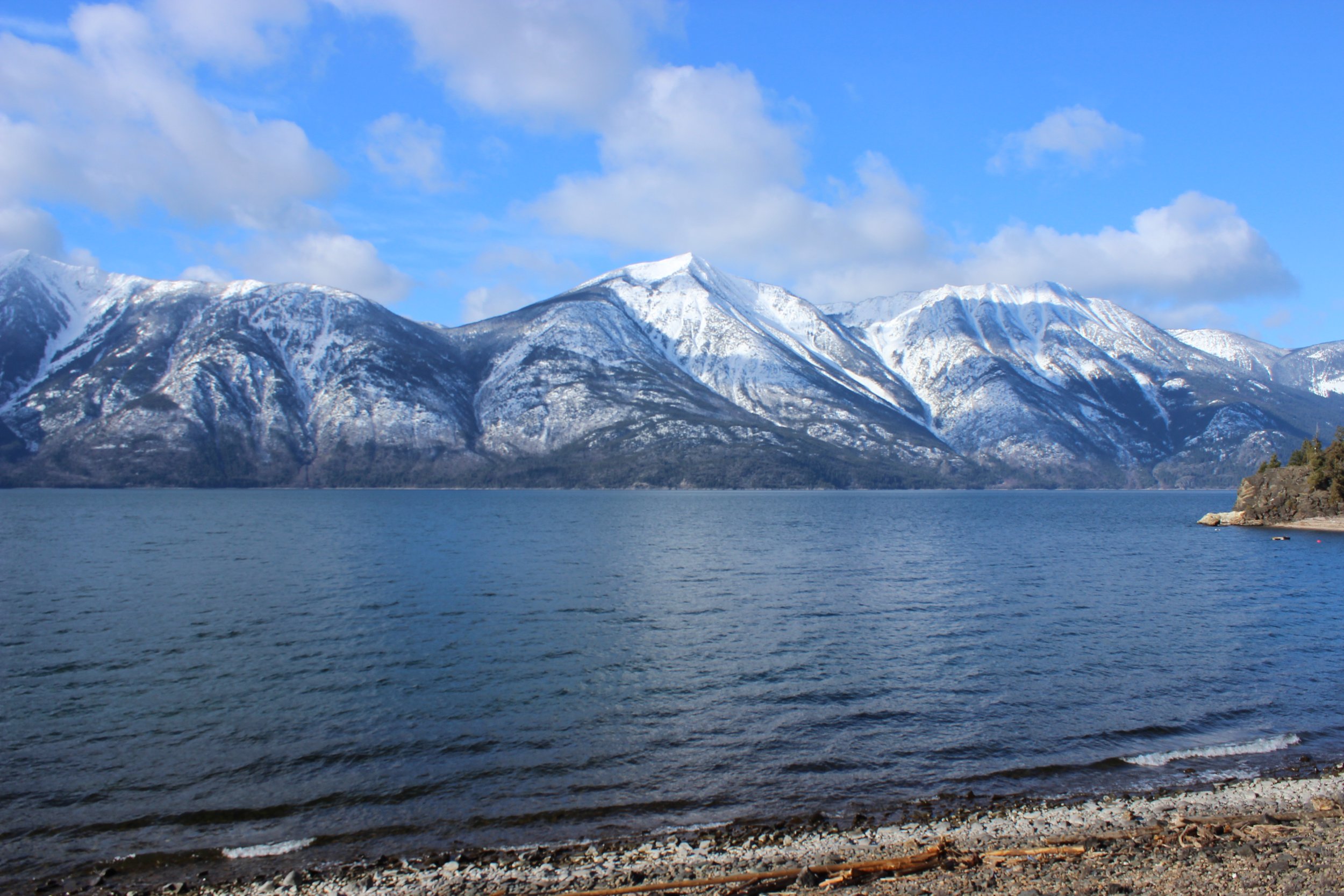
Our Vision
West Kootenay’s forests, and waterways are all connected. What happens upstream impacts creeks, lakes, and communities downstream. Traditional decision-making often misses these connections, addressing problems on a small scale. We take a different approach: collaborating with researchers, residents, and local organizations to speak as one collective voice for the whole system.
Alongside our partners at the UBC Forest Hydrology Research Lab and experts grounded in local knowledge, we work to strengthen the policies and practices that protect our water — today and for generations to come. With your support, we can keep building toward a future where every community in the West Kootenays has the knowledge and resources to protect the watersheds they depend on.
Healthy intact watersheds provide many ecosystem benefits that are necessary for our social and economic well-being. These include water filtration and storage, air filtration, carbon storage, nutrient cycling, soil formation, recreation, food and timber.
Every time a forest is logged above a creek, the risk isn’t abstract — it compromises the water we drink, the safety of our homes, and the entire future of the community.
Here in the West Kootenays, that risk isn’t hypothetical: in the Kootenay Lake region, nearly 40% of planned logging falls inside the very watersheds that supply our drinking water — even though those watersheds make up less than 30% of the harvestable land base. We are disproportionately cutting where it matters most.
Protecting these landscapes isn’t a cost — it’s an investment that pays every single one of us back. Healthy watersheds mean cleaner, more reliable drinking water, lower water treatment costs and, reduce risk of flooding, landslides, erosions, drought, and high-intensity wildfires. That also means fewer tax dollars spent on repairing damage from poor land management, and protection of the unique habitats of wildlife and the beautiful places where we love to play.
Why Watersheds Matter
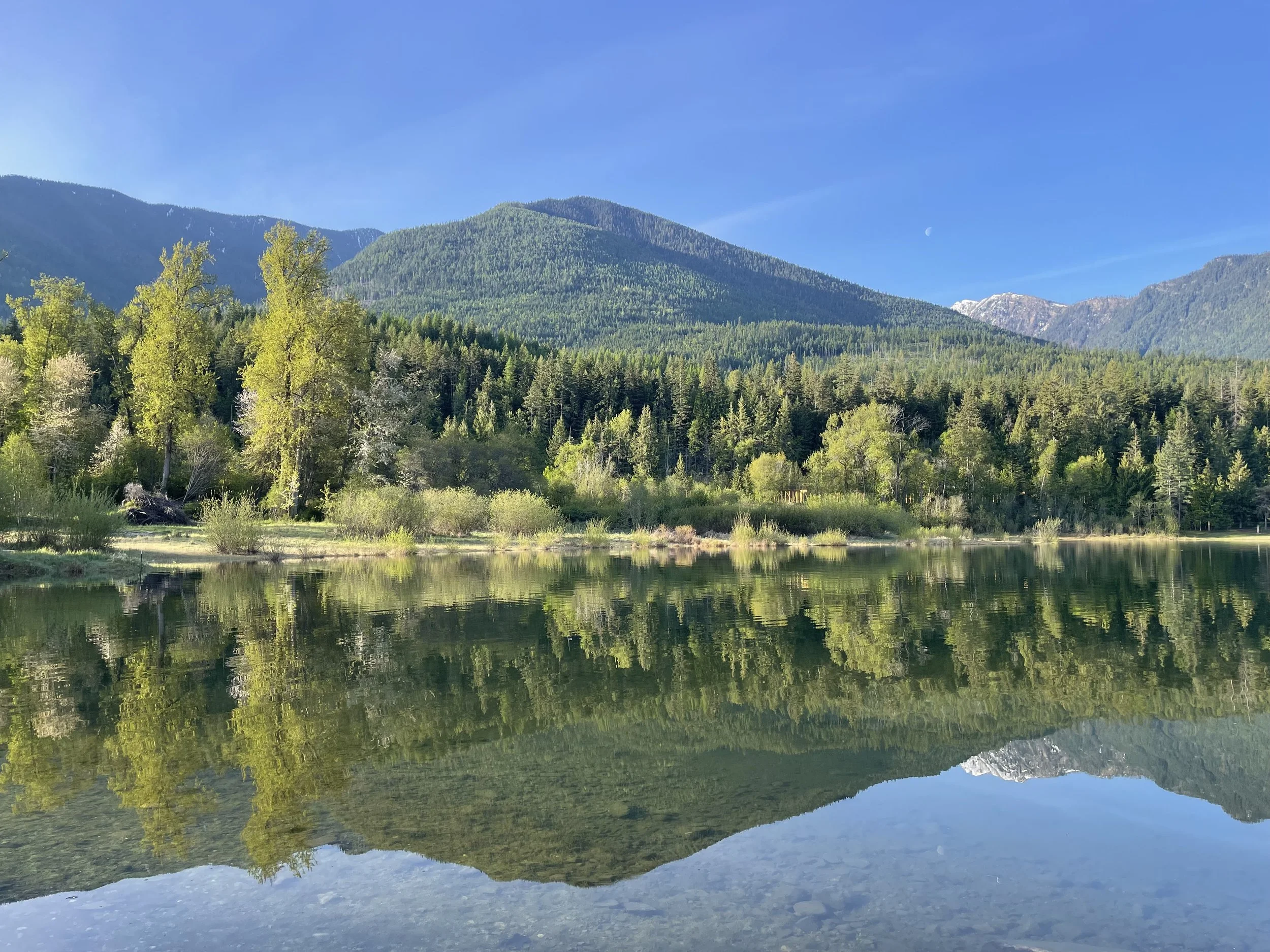
Water You Can Drink
Watershed protection costs 80% less than building filtration plants.
New York City invested $1.5 billion in watershed conservation instead of $8-10 billion for a new filtration plant. Research across 27 U.S. water supply systems shows that watersheds with 60% forest cover have treatment costs of $297,000 annually—while those at 30% cover face costs of $586,000 — a 97% increase.
Stability You Can Count On
Natural forests on steep slopes prevent an average of $8 billion in annual flood damage across North America.
Intact wetlands store and capture excess water — wetlands surrounding the Boston area prevent an estimated $42,111 of flood damage per acre. Healthy watersheds reduce flood impact, minimize infrastructure burden, reduce erosion, and restore natural groundwater recharge.
Jobs You Can Build On
Recreation, forestry, and agriculture all depend on functioning watersheds.
Healthy fish and wildlife habitats sustain multi-billion dollar outdoor recreation and tourism industries. Sustainable forestry requires intact watershed function for long-term timber productivity.
Value You Can See
Properties near protected natural areas command 5-25% premiums.
Conservation development provides economic benefits because it consumes less land, needs fewer roads, and requires less utility infrastructure. For every dollar received from residential development revenues, municipalities spend a median of $1.16 providing services—but conservation development costs far less per dollar of revenue.
This is what’s at stake above Nelson, Castlegar, and every community drawing water from these mountains. Protecting our watersheds protects health, our livelihoods and our future.
Milestones
Join our Newsletter
Get research, stories, events, and opportunities in you inbox.
Acknowledgement of the First Nations of the Land
WKWC works on the unceded territories of the sn̓w̓ay̓ck̓stx (Lakes) and Ktunaxa Yaqan Nukiłʔit, Syilx Okanagan, and Secwepmec peoples, and has worked with the Autonomous Sinixt Nation on the Healthy Water Initiative.
The West Kootenay Watershed Collaborative Board of Directors acknowledges that the watersheds and waterways we endeavour to defend are central to the Inheritance of the Regional First Nations. The Kootenay and Columbia Rivers and their watersheds nurture all of the traditional unceded and current territories of the sn̓ʕay̓ckstx (Lakes) and the Ktunaxa Yaqan Nukiy (Lower Kootenay Band) peoples.
We acknowledge interconnected systems of understanding and respect relationships that have existed here since time immemorial. We share dreams for the future. We must work together to understand and preserve relationships that make life so incredible in the Kootenays.
While protecting our shared watersheds, we also seek reconciliation based on reciprocity with regional Indigenous Nations, each other, the land, water and All Our Relations.
Join us as we actualize a commitment to continued education and empowerment. We are learning more about our shared responsibilities and possibilities regarding Truth And Reconciliation, the United Nations Declaration on the Rights of Indigenous Peoples, the B.C. Declaration on the Rights of Indigenous Peoples Act, First Nations principles of Ownership Control Access and Possession, and broad social justice.